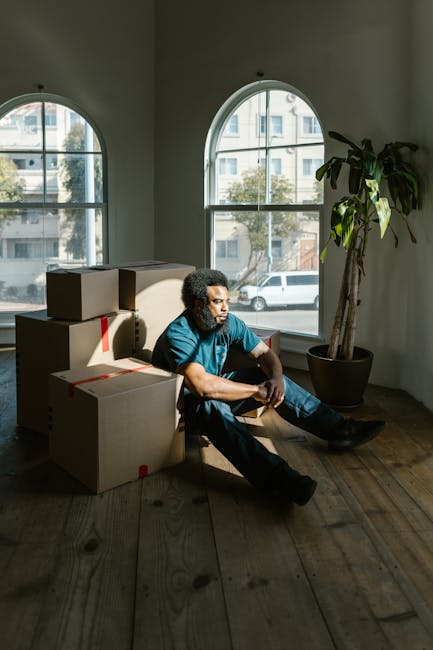
Baylis Road moving tips for apartment removals in SE1
If you are planning a flat move near Baylis Road, you already know the challenge is rarely the sofa itself. It is the stairs, the tight hallways, the lift that may or may not be working, the parking that disappears at the worst possible moment, and the general awkwardness of moving in central London. These Baylis Road moving tips for apartment removals in SE1 are designed to make the process calmer, safer, and far more efficient.
Whether you are moving out of a compact studio, a period conversion, or a modern apartment block, the key is preparation. A good plan reduces damage, saves time, and helps everyone involved work around the realities of SE1: busy streets, limited loading space, shared entrances, and buildings with their own move-in rules. Below, you will find practical advice, local-aware planning tips, and a realistic step-by-step approach that works well in real apartment removals, not just in theory.
Table of Contents
- Why Baylis Road moving tips for apartment removals in SE1 Matters
- How Baylis Road moving tips for apartment removals in SE1 Works
- Key Benefits and Practical Advantages
- Who This Is For and When It Makes Sense
- Step-by-Step Guidance
- Expert Tips for Better Results
- Common Mistakes to Avoid
- Tools, Resources and Recommendations
- Law, Compliance, Standards, or Best Practice
- Options, Methods, or Comparison Table
- Case Study or Real-World Example
- Practical Checklist
- Conclusion
- Frequently Asked Questions
Why Baylis Road moving tips for apartment removals in SE1 Matters
Apartment removals in SE1 are rarely straightforward. Baylis Road sits in a part of London where access can change from one side street to the next, and where building layouts vary wildly. One block might have a generous lift and a service entrance; another may have narrow stairs, a shared corridor, and very little room to manoeuvre. That is why location-specific planning matters so much.
With apartment moves, the biggest risks are usually not dramatic. They are the small delays that stack up: a key not ready on time, a van that cannot stop close enough, a mattress that will not fit around a bend, or boxes packed too heavily for one person to carry safely. A few sensible decisions early on can save a lot of stress later. Truth be told, most move-day problems are preventable.
Baylis Road also attracts people who are often moving on a deadline: renters ending a tenancy, students changing accommodation, young professionals relocating for work, or households downsizing into a smaller flat. Those moves tend to be time-sensitive, which makes practical advice even more valuable. If you need extra help with the loading and transport side, a service like flat removals can be especially relevant for apartment-based moves.
How Baylis Road moving tips for apartment removals in SE1 Works
The basic idea is simple: break the move into manageable stages and reduce uncertainty before the van arrives. For apartment removals, success usually depends on four things: access, packing, timing, and coordination. If any one of those is weak, the whole job feels harder than it needs to be.
First, assess the building. Check whether there is a lift, whether it is large enough for furniture, whether you need to book it, and whether the management team has rules about move times. Then look at the route from your front door to the vehicle. A short walk can still be awkward if there are three fire doors, a narrow stairwell, or a busy pavement outside.
Next, pack with the building in mind. Heavy books, crockery, and tools need small, sturdy boxes. Bulky bedding and soft items can go into larger boxes or bags. Furniture should be emptied in advance whenever possible. A wardrobe full of clothes looks convenient until somebody has to carry it down two flights of stairs. And yes, somebody usually regrets it.
Finally, think about who is doing what on the day. If you are using a man and van style service, or a larger removals team, make sure everyone knows the access point, the arrival time, and any restrictions. A quick call or message before the move can prevent the classic "we are outside, but we cannot find the entrance" problem.
Key Benefits and Practical Advantages
A well-planned apartment move on Baylis Road is not just about convenience. It can improve safety, reduce costs, and protect your belongings. Here are the biggest practical advantages.
- Less chance of damage: Furniture, walls, and door frames stay safer when you plan the route and use the right packing materials.
- Faster loading and unloading: Clear labels, organised boxes, and pre-booked access mean fewer delays.
- Lower stress on move day: You are not improvising under pressure, which makes everything feel more manageable.
- Better use of help: Friends, family, or professional movers can focus on lifting and transport rather than solving preventable problems.
- More accurate quotes: When you describe your access conditions properly, removal companies can estimate time and vehicle needs more reliably. You can review options through pricing and quotes.
For many people, the biggest benefit is simply predictability. Apartment removals often go wrong because assumptions are made too early. A move that feels chaotic at 8 a.m. can still run smoothly by lunchtime if the preparation was sensible.
Who This Is For and When It Makes Sense
These moving tips are most useful if you are dealing with one or more of the following situations:
- you live in a flat, studio, maisonette, or converted apartment near Baylis Road
- your building has lift restrictions, security access, or booked moving windows
- you expect tight parking or a short loading distance
- you have bulky furniture such as wardrobes, bed frames, sofas, or a desk
- you are moving on a deadline, such as lease end, completion day, or the start of a new tenancy
- you want help from a local removals team rather than trying to do everything yourself
This advice also makes sense if you are deciding between a DIY move and a professional service. If your apartment has awkward access, the extra time and effort involved in self-moving can be more than people expect. In those cases, a removal services approach is often easier to manage than repeatedly carrying items up and down stairs with a borrowed car and a couple of tired friends.
Students and renters often benefit the most from this kind of planning because their moves tend to be shorter notice and budget-sensitive. If that sounds familiar, you may also want to look at student removals for a lighter, quicker move option.
Step-by-Step Guidance
Here is a practical way to organise an apartment removal from Baylis Road without overcomplicating it.
- Confirm your move date and access times. Check when you can use lifts, entrances, loading bays, or service areas. If your building manager needs advance notice, give it early.
- Measure the awkward items. Beds, sofas, dining tables, mirrors, and wardrobes are the usual troublemakers. Measure the furniture and the narrowest parts of the route, including stair turns and doorways.
- Sort what is going and what is not. Apartment moves often uncover clutter. Decide what to keep, donate, recycle, or store. If you have furniture that no longer fits your new place, a service such as furniture removals can help move unwanted items efficiently.
- Pack room by room. Label each box with the room and a brief contents note. Keep essential items separate so you are not hunting for chargers, toiletries, or bedding at the end of the day.
- Prepare appliances and furniture. Defrost fridges, disconnect equipment safely, remove loose shelves, and tape drawers shut if needed. Keep screws and fittings in clearly marked bags.
- Protect walls and floors. Use blankets, cardboard, or corner protection where needed. In apartment blocks, a scuffed corridor can become a bigger issue than the move itself.
- Plan the loading sequence. Start with the heaviest, most stable items. Build around them with boxes and softer items. This helps the van load efficiently and reduces shifting in transit.
- Do a final sweep. Check cupboards, bathroom shelves, loft spaces, balconies, window ledges, and behind doors. A surprising amount gets left behind in plain sight.
If you want packing support rather than just transport, the service pages for packing and boxes and packing and unpacking services may be useful. That can be especially helpful if you are short on time or moving fragile household items.
Expert Tips for Better Results
Once the basics are covered, a few small decisions can make the whole move noticeably easier.
Choose box sizes with carrying in mind
People often overpack large boxes because they seem efficient. They are efficient right up until they become too heavy to carry safely through a narrow staircase. For books, files, or canned goods, small boxes are usually the smarter choice. Save larger boxes for bedding, cushions, clothing, and lightweight household items.
Keep one "first night" bag separate
Put essentials in a clearly marked bag or suitcase: phone charger, toiletries, medication, a change of clothes, documents, and tea or coffee if you need it. Moving day tends to feel longer than expected, especially by late afternoon when the kettle is finally found and nobody wants to unpack another box.
Protect both the property and the people
In apartment moves, moving safely matters just as much as moving quickly. Use gloves if needed, wear supportive shoes, and avoid carrying oversized items alone. If something feels too awkward or too heavy, stop and rethink the route. There is no prize for forcing it.
Use storage if the timing does not line up
Sometimes the new apartment is not ready, or you are moving in stages. In that case, short-term storage can be the difference between a controlled move and a stressful one. A practical option like storage can help bridge the gap when keys, repairs, or refurbishments delay the final handover.
Book the right size of vehicle
Some apartment moves only need a small van and careful loading. Others need a larger vehicle because of the number of boxes, the amount of furniture, or the distance involved. If you are unsure, ask for guidance rather than guessing. A suitable vehicle reduces the chance of multiple trips, which is especially useful in SE1 traffic.
Common Mistakes to Avoid
Most difficult apartment removals involve at least one of these avoidable mistakes.
- Leaving packing too late: Last-minute packing creates weak boxes, lost items, and panic on the morning of the move.
- Ignoring building rules: If your block requires lift booking, time slots, or protective coverings, skipping them can cause delays or complaints.
- Underestimating parking and access: A vehicle parked too far away turns a simple move into a long carry.
- Not measuring large items: It is better to find out a sofa is awkward before the team is halfway up the stairs.
- Mixing fragile items with heavy items: This is how picture frames, lamps, and glassware get damaged.
- Forgetting to label boxes: Unlabelled boxes slow down unpacking and make it much harder to find essentials.
- Trying to do everything in one rush: It sounds efficient, but in practice it usually creates more chaos. Sometimes two smaller phases are better than one heroic all-nighter.
A common local issue in SE1 is assuming that a short journey equals an easy move. It does not always work that way. Even if the destination is only a few streets away, apartment access can still be the main challenge.
Tools, Resources and Recommendations
You do not need a lot of specialist equipment, but the right basics make a real difference.
- Strong boxes: Use uniform boxes where possible so they stack neatly in the van.
- Packing tape and labels: Clear labels save time and reduce mistakes on unloading.
- Blankets and wrapping materials: These protect furniture, doors, and fragile corners.
- Dolly or sack truck: Helpful for heavier boxes and a sensible option for longer corridors.
- Tools bag: Keep screwdrivers, Allen keys, tape, and small fixings together.
- Inventory list: A simple written list is enough to track key items without overcomplicating the move.
If you are comparing transport options, it can help to think in terms of service style rather than just vehicle type. For example, a smaller job may suit a man with a van, while a larger apartment relocation may call for a fuller removals team or a dedicated moving truck. The right choice depends on your access, volume, and how much help you need on the day.
Where you need an extra hand with part-loading, lifting, or short-distance transport, many people also compare a removal van with more comprehensive removals support. That is often a sensible decision point for apartment moves with awkward access.
Law, Compliance, Standards, or Best Practice
For most apartment removals, the main "compliance" issues are practical rather than legal. That said, there are still important best-practice expectations to keep in mind.
First, respect building rules. Many apartment blocks have move-in or move-out procedures for lifts, entrances, and shared spaces. Even when those rules are not statutory, they are part of normal property management and should be followed carefully. It helps to ask early, not on the day.
Second, think about health and safety. Removal work involves lifting, carrying, trip hazards, and shared access areas, so a cautious approach matters. Professional movers should use sensible handling techniques and equipment suitable for the job. If you are checking how a provider approaches this side of the work, a page such as health and safety policy can be useful for reassurance.
Third, understand insurance and liability at a basic level. Accidents can happen, especially in tight apartment spaces. It is sensible to ask what cover is in place and how items are handled. A clear explanation of this is typically more helpful than vague promises, which is why many customers like to review insurance and safety information before booking.
Finally, if sustainability matters to you, consider whether any unwanted items can be reused, donated, or recycled rather than simply thrown away. Responsible disposal is now part of good moving practice. If that matters to your move, you may find recycling and sustainability relevant when deciding what to do with old furniture or surplus household items.
Options, Methods, or Comparison Table
Apartment removals in SE1 can usually be approached in a few different ways. The best method depends on how much you own, how awkward the access is, and how much lifting you want to handle yourself.
| Approach | Best for | Strengths | Possible drawbacks |
|---|---|---|---|
| DIY move | Very small loads, short distances, minimal furniture | Can be cheaper upfront, full control over timing | More physical effort, more trips, greater risk of damage or delay |
| Man and van | Studios, one-bed flats, partial loads, flexible timing | Simple, practical, often efficient for local moves | May not suit larger furniture sets or complex access without planning |
| Full removals service | Busy households, larger flats, fragile or heavy furniture | More support, less stress, better for awkward access | Usually more expensive than minimal self-move options |
| Storage-first move | Staged moves, delayed key handovers, renovations | Reduces pressure when dates do not line up | Needs extra coordination and may add an extra step |
If you are uncertain which route fits your move, start with the access question: can your furniture realistically move out without forcing anything? That one question often tells you whether a small transport-only job is enough or whether you need fuller support from experienced movers.
Case Study or Real-World Example
Imagine a renter moving from a second-floor flat near Baylis Road into another SE1 apartment just a short distance away. On paper, it looks simple. In practice, there is a narrow stairwell, no lift, a booked move-out slot, and limited roadside stopping space.
The move goes better because the flat is prepared in advance. Wardrobes are emptied, boxes are labelled by room, and the narrowest furniture is measured before the moving day. The mover arrives with the right van size, and the team starts with the heaviest items first: mattress, bed frame, boxes of books, then lighter household items. The route through the building is checked once before any lifting begins.
Two things make the biggest difference here. First, there is no last-minute packing. Second, the person moving has already decided what is going to the new flat, what needs storage, and what should be disposed of. That avoids the classic "we'll decide when we get there" situation, which usually means more boxes, more stress, and far too many decisions made while standing in a corridor.
In a move like this, a compact service can be enough, especially if the route is short and the load is manageable. But if there are additional items such as a piano, large wardrobes, or delicate furniture, more specialised support may be needed. When the contents get more complex, it is worth considering piano removals or other specialist handling rather than assuming everything can be moved the same way.
Practical Checklist
Use this as a final pre-move check for Baylis Road apartment removals in SE1.
- confirm the moving date and any time restrictions
- check lift access, stair access, and entrance codes
- book loading space or parking where required
- measure large furniture and awkward items
- pack fragile items separately and label them clearly
- empty drawers, shelves, and cupboards
- disconnect appliances safely and prepare cables
- keep documents, keys, phones, and chargers with you
- set aside an essentials bag for the first night
- walk through every room before leaving
- take meter readings if needed
- check both flats for damage, forgotten items, or rubbish
Expert summary: The smoothest apartment removals in SE1 are usually the ones where access, packing, and timing are solved before the van arrives. If you get those three things right, the rest becomes much easier. Not effortless, of course. Moving is still moving. But much easier.
Conclusion
Baylis Road apartment removals in SE1 are all about preparation, realistic planning, and understanding the space you are moving in and out of. The more you account for building access, parking, furniture size, and packing order, the less likely you are to face delays or damage on the day.
The good news is that most of the hard parts can be managed with simple steps: measure early, label clearly, book access properly, and choose a transport option that suits the actual move rather than the move you wish you had. That is what makes these Baylis Road moving tips for apartment removals in SE1 genuinely useful. They are practical, not theoretical.
If you want a smoother move, start with a clear plan, be honest about the awkward bits, and give yourself a little breathing room. A calm move is rarely accidental.
Get a free quote today and see how much you can save.
Frequently Asked Questions
What makes apartment removals on Baylis Road more difficult than a house move?
Apartment removals usually involve lifts, stairs, shared entrances, tighter corners, and less parking flexibility. Even when the distance is short, access can make the move slower and more technical than a typical house relocation.
Should I book a removals company for a small flat move in SE1?
If you only have a few boxes and minimal furniture, a smaller transport option may be enough. But if you have awkward access, heavy furniture, or a tight schedule, a professional removals team can save time and reduce stress.
How far in advance should I start packing for a Baylis Road apartment move?
Ideally, start packing non-essential items well before the move date. Even a simple one-bed flat benefits from an early start because packing room by room is much easier than doing everything in one rushed session.
What should I check with my building management before moving day?
Ask about lift booking, move-in or move-out time windows, entrance codes, protective coverings, and any restrictions on where a van can stop. It is better to confirm this early than to discover a rule while the moving team is already outside.
Is storage useful for apartment removals near Baylis Road?
Yes, especially if your move-out and move-in dates do not line up, or if you are downsizing and do not want everything delivered immediately. Storage can turn a rushed move into a more manageable two-step process.
What is the best way to move fragile items from a flat?
Use sturdy boxes, wrap items individually, and keep the weight reasonable. Fragile items should not be packed loosely with heavy belongings. Mark the boxes clearly and keep them separate during loading.
Can a man and van service handle apartment removals in SE1?
Often yes, especially for studios, smaller flats, or partial loads. The key is whether the access, furniture size, and amount of belongings match the capacity of the service. For larger or more complex moves, a fuller removals setup may be better.
How do I avoid damage to walls and furniture in a tight stairwell?
Measure the route, remove loose parts from furniture, use protective wrapping, and move slowly at corners. If a piece looks too awkward, stop and reassess before forcing it through. A careful pause is usually faster than repairing damage later.
What should I keep with me on moving day?
Keep identification, keys, phone chargers, medication, a change of clothes, toiletries, and essential documents in a separate bag. It should travel with you, not in the back of the van.
Do I need specialist help for large or unusual items?
Sometimes yes. Items such as pianos, oversized wardrobes, or delicate antiques may need more than a standard move. If you have something unusual, ask in advance so the right equipment and approach can be planned.
How can I make the move less stressful overall?
Keep the plan simple. Pack early, label boxes clearly, confirm access details, and choose the right moving support for the size of the job. A move becomes much less stressful when nothing important is left to guesswork at the last minute.
Where can I learn more about the company before booking?
You can review the company background on the about us page and check practical policies such as terms and conditions and payment and security before making a booking decision.